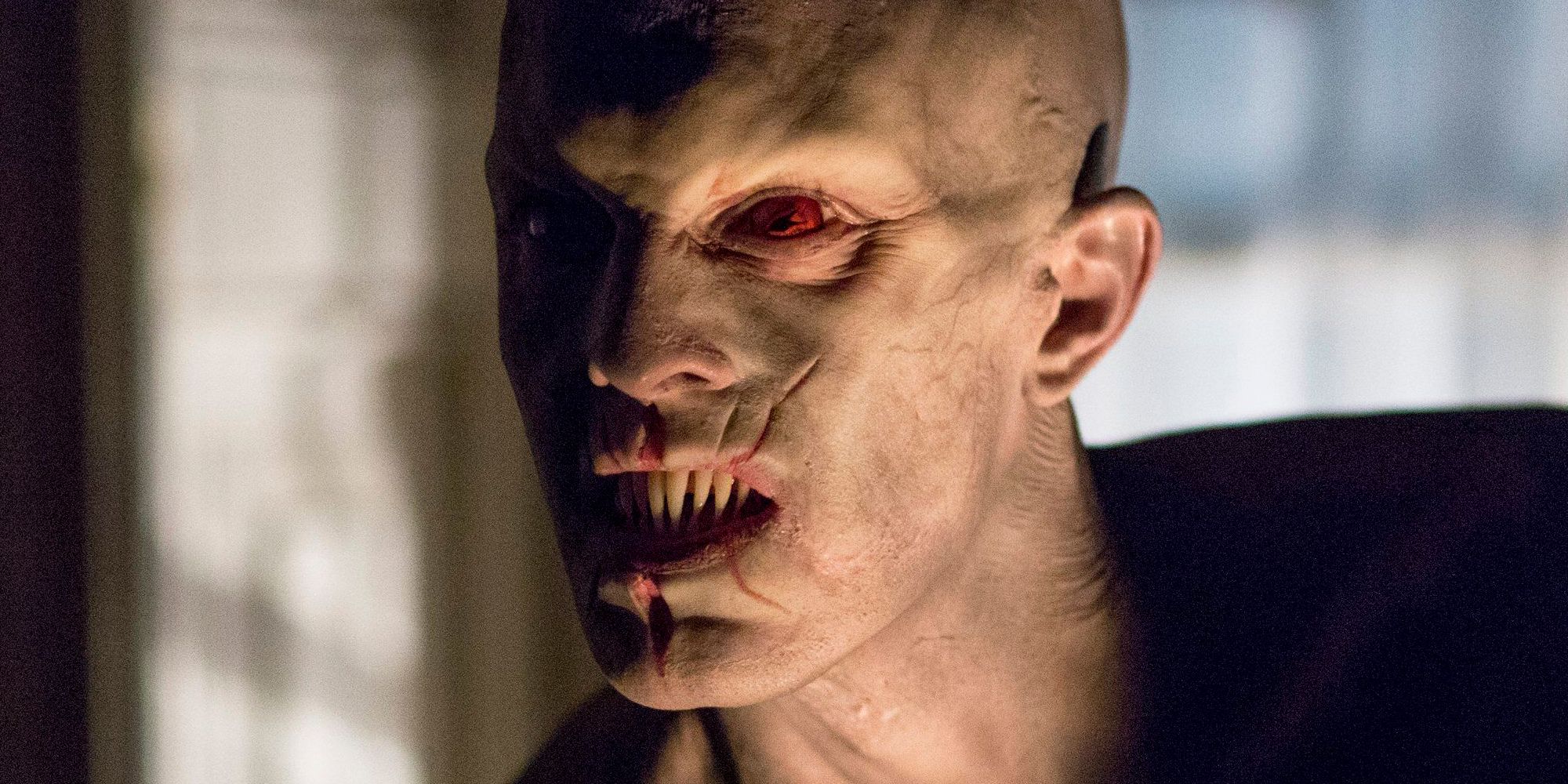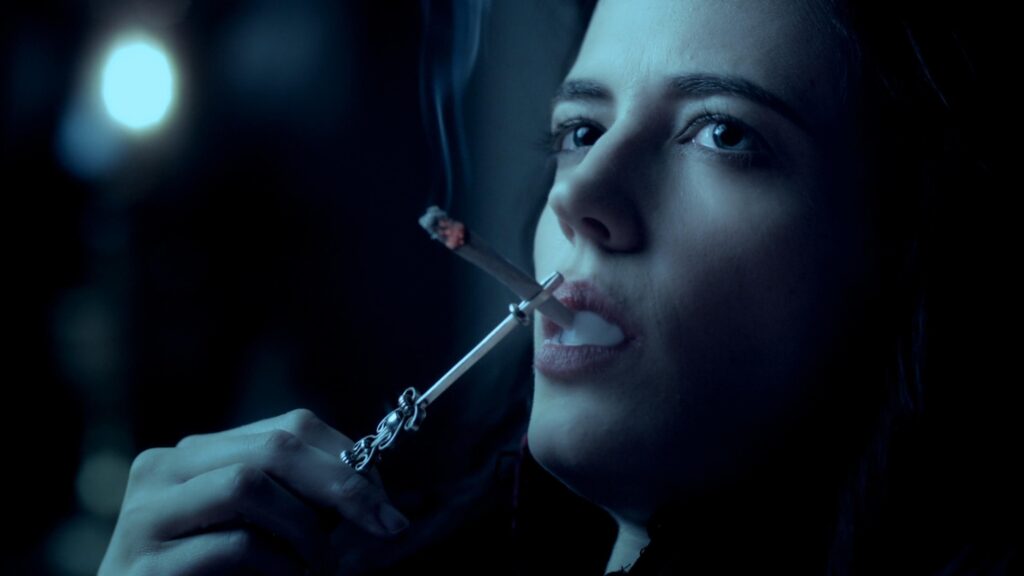
You ever feel it? That cold, creeping dread that isn’t about a ghost or a vampire, but about something much older, much deeper? The feeling that the whole world, the very air you breathe, is somehow… tainted? Like a grand old house slowly rotting from the inside out, beautiful on the outside, but crawling with worms beneath the floorboards. That, my friends, is the essential, chilling heart of Penny Dreadful.
This isn’t an ordinary show about monsters; it’s a dark, elegant, and utterly relentless psychoanalysis of what happens when the monsters are inside you, whispering promises of damnation.
Picture this: Victorian London, fog-choked, gas-lit, a city of shadows and secrets. But beneath the grime and the gas lamps, there’s a spiritual decay, a soul-sickness that’s far more terrifying than any fanged fiend. And into this decaying masterpiece, we drop a collection of lost souls, each one a walking museum of psychological torment.
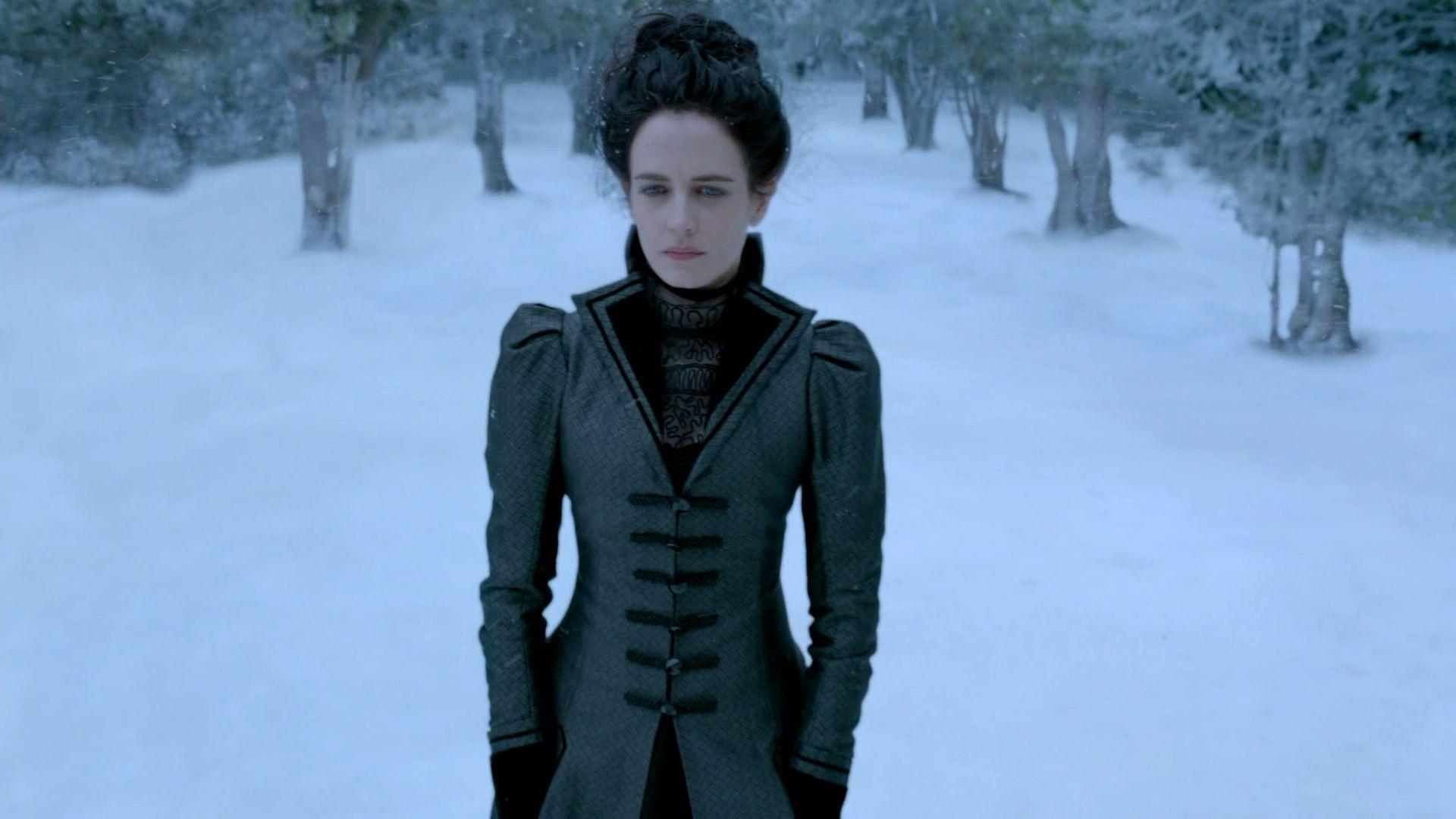
Take Vanessa Ives, for example. Good Lord, what a woman. Played by the magnificent Eva Green, she’s the aching, bleeding heart of the whole grim enterprise. She ain’t just possessed; she’s a battleground. Her soul is the prize in an ancient, cosmic tug-of-war between God and the Devil, and her agony, her sheer, unadulterated suffering, it feels real. You see the raw terror in her eyes, the way she fights the invading darkness that promises both power and oblivion. It’s the ultimate horror of invasion, not just of the body, but of the very self, a slow, agonizing erasure of who you are. And watching her, you understand that sometimes, the greatest strength is simply to endure. To cling to the last threads of who you are when ancient evils are trying to shred you.
And Ethan Chandler, the gunslinger with a secret. Josh Hartnett brings this tragic figure to life. He’s running, always running, from a past soaked in blood, from a curse that transforms him under the full moon. But that lycanthropy, it’s more than just a creature feature. It’s a raw, visceral metaphor for addiction, for inherited violence, for the inescapable darkness that lurks in the family tree. He yearns for redemption, for connection, but there’s always that beast, snarling at the edges of his soul, threatening to tear apart anyone he dares to love. It’s the terror of losing control, of becoming the very thing you despise.
Then there’s Dr. Frankenstein, brought to chilling life by Harry Treadaway. Oh, Victor. He’s not just reanimating corpses; he’s playing God, driven by a profound, almost pathological grief and an insatiable desire to conquer death. But his creations, his “children” – particularly Rory Kinnear’s heartbreaking Creature – they are reflections of his own hubris, his loneliness, his inability to truly connect. They are the monsters born not of lightning, but of a desperate, unholy ambition, eternally craving the love and acceptance their “father” can’t give. It’s the horror of unintended consequences, of the creation turning on the creator, a chilling echo of parental failure.
And the others: Sir Malcolm Murray (Timothy Dalton), a man consumed by the loss of his family, driven to the ends of the earth and the darkest corners of occultism to reclaim a sliver of what he’s lost. Dorian Gray (Reeve Carney), embodying the emptiness of eternal youth and the slow, elegant decay of a soul unburdened by consequence. Each of them, touched by the supernatural, yes, but more profoundly by their own inner demons, their own hungers, their own brokenness.
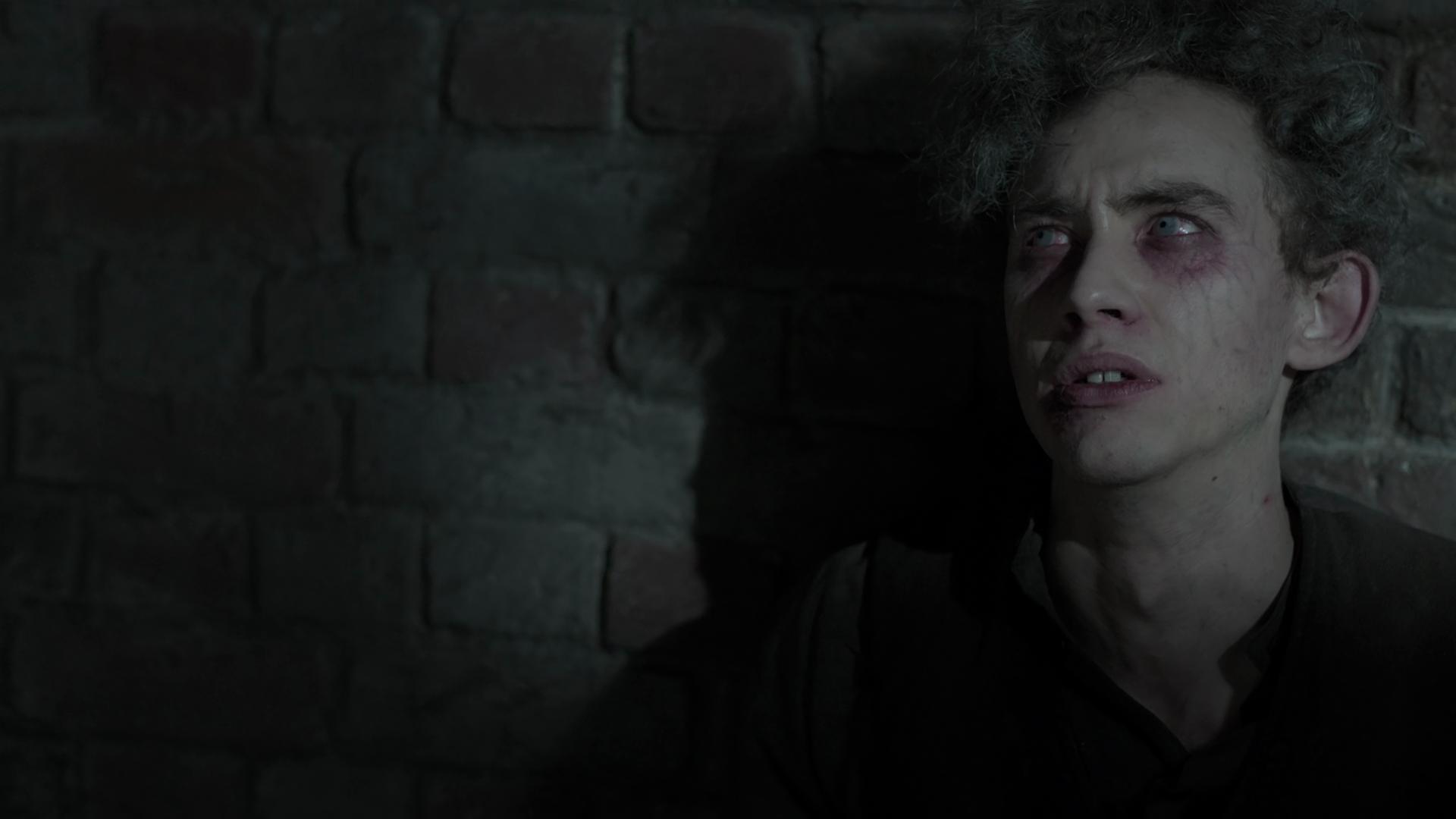
What Penny Dreadful does, with its lush cinematography and its literary nods, is peel back the skin of the familiar gothic horror tales and expose the raw, bleeding nerves beneath. It asks: what if Dracula isn’t just a bloodsucker, but a primal force tapping into your deepest desires? What if the Mummy’s curse is just a metaphor for the way the past suffocates the present? It understands that the greatest fears aren’t always the fangs at your throat, but the whispers in your ear, the ones that tell you you’re alone, that you’re damned, that your loved ones will betray you.
It’s a show that wallows in despair, in spiritual warfare, in the inescapable nature of one’s own history and inherited curses. It argues that the real monsters aren’t the ones in the shadows, but the ancient wounds, the unexamined grief, and the desperate cravings that drive us all, pushing us closer and closer to that velvet abyss. And by the time it’s over, you might find yourself wondering if you, too, have a little bit of darkness tucked away, waiting for the right moment to claim you.